
Therapy for Anxiety & Overwhelm
Feeling Constantly On Edge, Tense, or Caught in Cycles of Worry?
Do anxious thoughts, self-doubt, or fear overwhelm you, leaving you feeling constantly nervous, tense, and unable to settle?
You may find yourself worrying about work, relationships, family responsibilities, and others' perceptions of you, and fear making mistakes, being judged, or not living up to expectations. Perhaps you feel the pressure to stay strong and keep going, even when your confidence is low. Or you notice yourself shutting down, withdrawing, and closing off from those around you as anxiety quietly tightens its grip.
If any of this sounds familiar, you are not alone. And you don't have to keep managing it by yourself.

People of Colour
For many people of colour, anxiety doesn't exist in isolation. Experiences of racism and discrimination, cultural and family expectations, migration, and intergenerational trauma often shape and intensify it.
Constantly needing to adapt, to prove yourself, and having to close off important parts of who you are to belong in spaces that may never fully accept you, takes an enormous toll. Over time, your nervous system can become stuck in a state of chronic high alert. Not because something is wrong with you, but because this has been the cost of survival.
Anxiety Is a Normal Part of Being Human
Everyone experiences anxiety at times. It is a natural response to stress, uncertainty, and unfamiliar situations, part of our survival system, designed to keep us alert and ready to meet challenges. In small doses, anxiety can be useful. But when it becomes constant, intense, and overwhelming, it can be debilitating, leaving you feeling powerless and unable to live fully.
Anxiety During Stress, Change, and Loss
It is completely understandable to feel anxious during difficult or life-changing times, such as:

- Relationship breakdowns or family conflict.
- Bereavement or unresolved grief.
- Job loss or workplace pressure.
- Experiences of discrimination or racial harm.
- Migration, cultural displacement, or questions of identity.
- Entering new roles, taking on more responsibility, or navigating unfamiliar spaces.
During these times, anxiety can be part of how we cope with uncertainty and loss. You might have difficulty sleeping, changes in appetite, trouble concentrating, or a sense of being emotionally raw. Often, as things begin to settle, anxiety eases naturally.
When anxiety lingers, especially if you have learned to suppress your feelings, carry responsibility alone, or consistently put others' needs before your own, it may be a signal that you need care, attention, and support. Reaching out at that point is not weakness. It is self-care and wisdom.
When Anxiety Becomes a Problem
Anxiety becomes more of a problem when your reactions feel out of proportion to what is actually happening, and you remain on high alert even when there is no immediate danger.
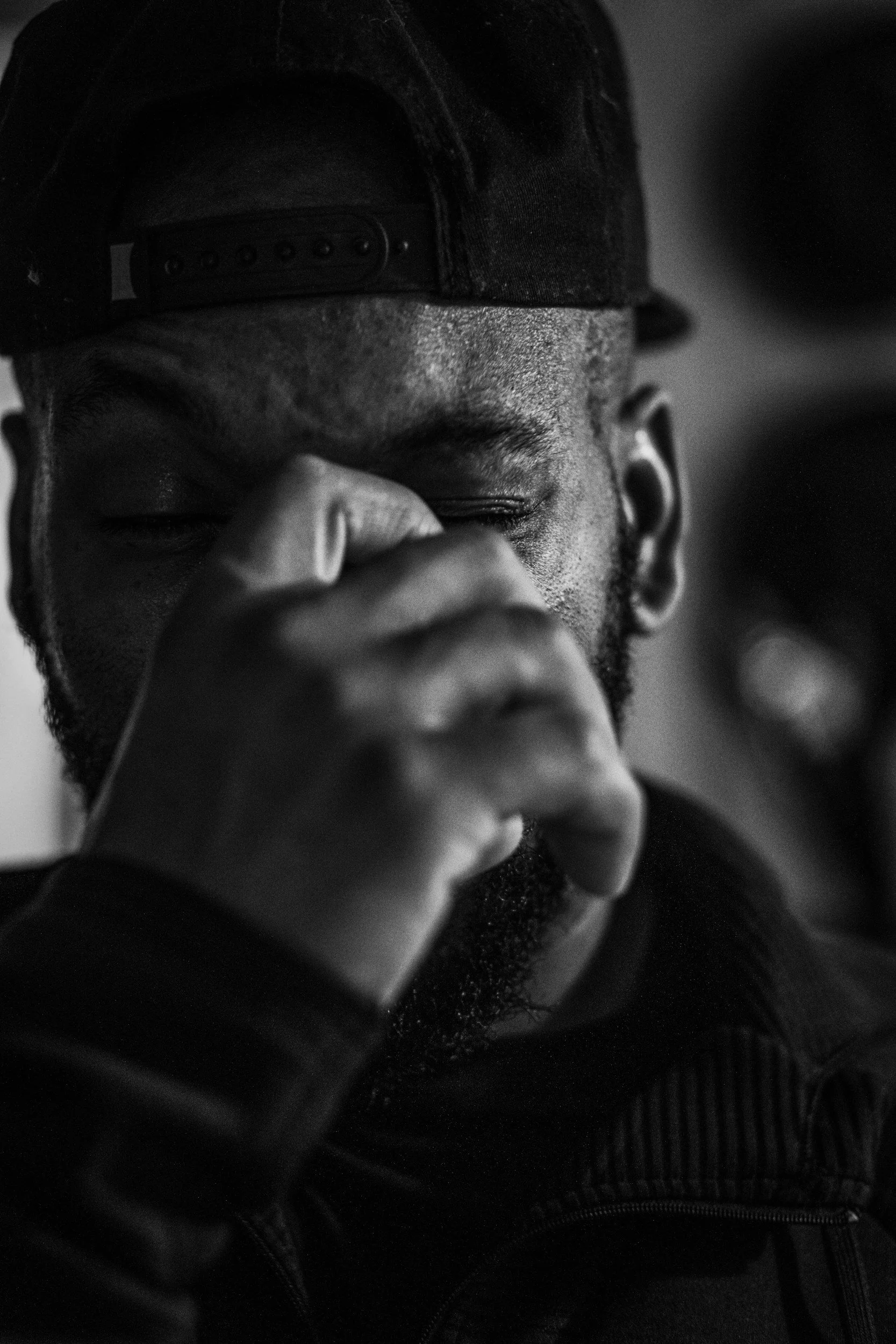
You may notice that you:
- Struggle with persistent self-doubt or fear of failure.
- Constantly expect things to go wrong.
- Avoid social situations, opportunities, or connections.
- Feel tense, restless, or unable to relax.
- Feel drained by constant worrying or overthinking.
Anxiety can affect your work, your relationships, and your sense of self. It can feel particularly isolating when the people around you don't fully understand your experience, or minimise what you are going through.
The important thing to know is that anxiety is common, it is treatable, and you do not have to live with it indefinitely.
Support That Understands Your Experience
As a Black therapist working with People of Colour, my approach is grounded in cultural awareness, lived experience, compassion, and deep respect for what you carry.
In our work together, we can explore how anxiety shows up for you, including how racism, family expectations, cultural conditioning, or past experiences may have shaped the way you cope. Together, we work to develop more supportive ways of relating to yourself, your body, and your life.
Seeking support is not a sign of weakness.
It is a way to care for yourself and create space for change.

How Body Psychotherapy Can Help
For many people, anxiety is not only something that happens in the mind. It is a physical experience — held in the body and expressed through it.
You might notice:
- Tightness in your chest, throat, or jaw.
- Shallow or uneven breathing.
- A racing heart or episodes of panic.
- Tense muscles, persistent headaches, or deep fatigue.
- A constant underlying sense of dread or unease.
Anxiety can also affect sleep and lead to coping strategies such as emotional eating, overworking, or using alcohol or other substances to find temporary relief.
Body psychotherapy works with both your emotional experience and the way anxiety lives in your body. Panic, freezing, or shutting down are often your body's responses to fear, stress, or earlier experiences where you didn't feel safe or supported. These responses may once have helped you survive — but they may now be limiting your life.
Reconnecting with Your Body
Body psychotherapy supports you in developing greater emotional awareness and a stronger, more loving relationship with your body. It helps you to become attuned to the sensations of tension and constriction that heighten anxiety, and the feelings of ease and flow that soften it.

This approach can help you:
- Understand how anxiety lives in your body.
- Recognise your triggers and habitual thought patterns.
- Develop grounding and breathing practices that calm your nervous system.
- Feel more present, balanced, and connected to yourself.
This is not about getting rid of anxiety. It is about developing a different, more easeful relationship with it.
As you begin to feel safer in your body, anxiety often softens. You may find yourself responding to life with greater clarity, confidence, and choice rather than reacting from fear.
You may have further questions or concerns

What if I’m judged for what I share?
Many People of Colour have learned to protect themselves by staying guarded, often for very good reasons. Opening up can feel risky.
In this space, your experiences are met with care and compassion, never judgment. Speaking openly about what you are carrying can begin to lift the burden of holding it alone. As anxiety loosens its grip, you may find yourself feeling more confident, more at ease, and more fully yourself.

What if exploring my anxiety makes things worse?
It is natural to worry that bringing difficult feelings into the open might feel overwhelming — particularly if you were taught to stay strong, cope alone, and never show vulnerability.
We work gently, and always at a pace that feels right for you. You choose what to share and when. While this work can sometimes feel challenging, it is also deeply supportive — and for many people, profoundly relieving and transformative.
I've been anxious for so long it feels like just part of who I am. Can that really change?

This is one of the most common and most painful beliefs anxiety creates — that it is not something you have, but something you are.
It is not who you are. It is a pattern your nervous system learned, often very early, in response to experiences that felt unsafe, unpredictable, or overwhelming. Patterns that were learned can be unlearned — not overnight — but with the right support, they can be genuinely and lastingly transformed.
Many people who have lived with anxiety for decades have found, through somatic work, that it begins to soften in ways they had stopped believing were possible. Not because something was done to them, but because they were supported to reconnect with a deeper sense of safety that was always there, waiting beneath the anxiety to be rediscovered.
You are not your anxiety. And you do not have to keep living as though you are.
You don’t have to live with constant anxiety
Take the next step
Body psychotherapy can help you feel more grounded in your body, more confident in yourself, and more at ease in your life.
If you are ready to explore how this work might support you, I invite you to book a free 30-minute discovery conversation.
It’s a relaxed, no-obligation call to talk about what you are experiencing and whether we might be a good fit.
There is no pressure. Just a conversation.